Can Texting Ever Replace True Connection? Reclaiming Real-World Social Skills
Oct 20, 2026
Dialing, Butterflies, and the Art of Real Conversation
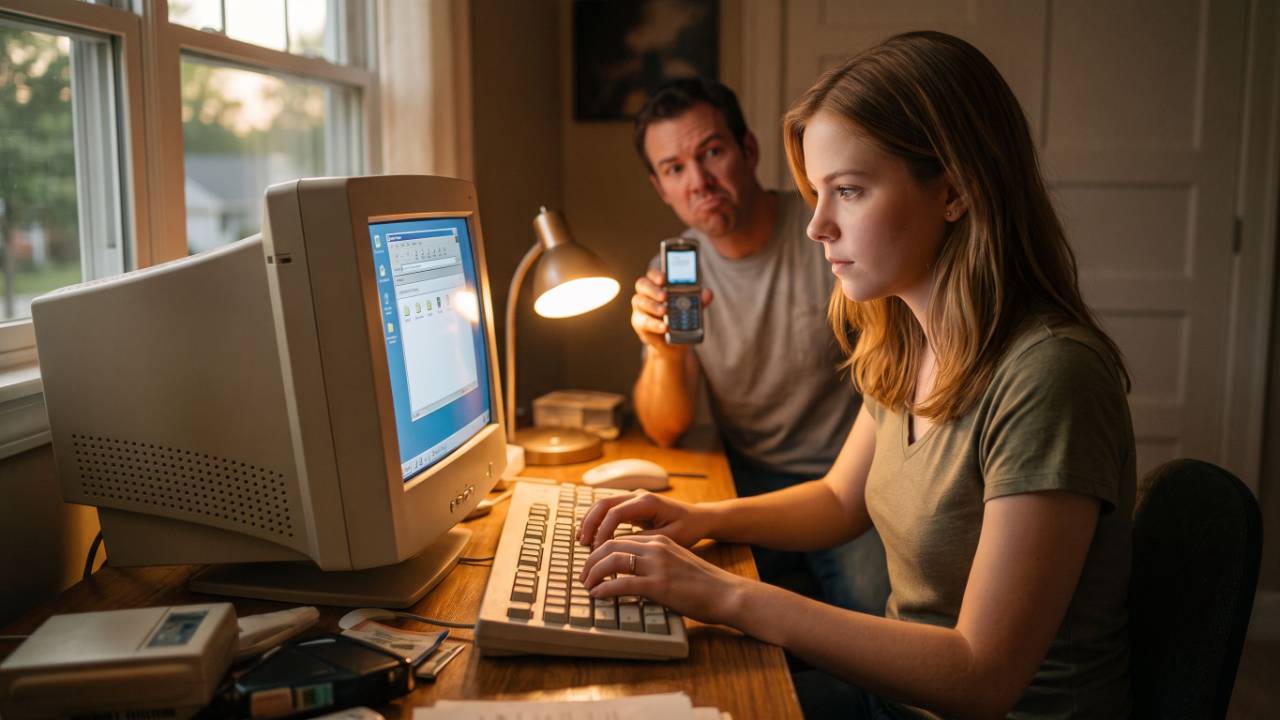
I grew up in the 80’s and 90’s, and I remember being scared to death to call a girl. I remember that extreme butterfly feeling in my stomach as I’d dial the girl’s phone number and wait through the ringing with nervous anticipation. But despite being terrified, I did it anyway. And it was awesome!
Why was it awesome? Because as awkward as I certainly must have been, it gave me experience to develop crucial conversation skills that grew along with me as I moved into adulthood. The art of engaging in conversation—especially in a situation where you don’t feel 100% confident—takes real practice.
Why Virtual Spaces Can’t Build Adult Connection
Social skills development is a top concern that parents have regarding their children in today’s digital age. Nobody wants their children to feel disconnected or socially isolated. Yet, social isolation seems to be a plague in today’s modern society. Social skills development is hurting, and it’s impacting youth in challenging ways that are not being solved before moving into adulthood.
Jonathan Haidt, author of The Anxious Generation, makes a valid point when he says: “Real-World social skills cannot develop at adult levels when interactions primarily take place in virtual spaces.” (p. 99)
It’s easier for youth to communicate through texting versus face-to-face (or even phone calls) since you don’t have to worry about saying it exactly right the first time or feel nervous about handling their response in the moment. Text messages don’t take a lot of practice, and they certainly don’t communicate to the level of a face-to-face conversation where you can read facial expressions or phone calls where you can interpret intonations.
Social skill mastery is one of the biggest areas currently being stolen by screen addiction and constant device usage. Real conversations take practice to lead to becoming really good at communicating. When children deprive themselves of real-world interactions because most of their communication takes place in the digital world, they enter adulthood lacking the essential relational capabilities required to thrive.
Action Step
Set aside a phone-free dinner or car ride with your kids today. Practice having a face-to-face conversation where everyone practices looking at each other while speaking, without any screens present or devices on the table.
What’s Next
Take 10 minutes to practice phone etiquette with your kids. Roleplay calling a parent or relative where they practice stating who is calling, offering a clear greeting, and asking a friendly question before diving into the main topic.